
Kenya's Geothermal Energy Shift Faces Local Backlash Over Rights and Livelihoods
Kenya's geothermal energy projects, particularly the 750 MW Suswa initiative, raise concerns over local impacts on water security and livelihoods. Community resistance is growing due to inadequate engagement and failure to obtain Free, Prior and Informed Consent.
 Theia Market Signal Identification - AI Assisted
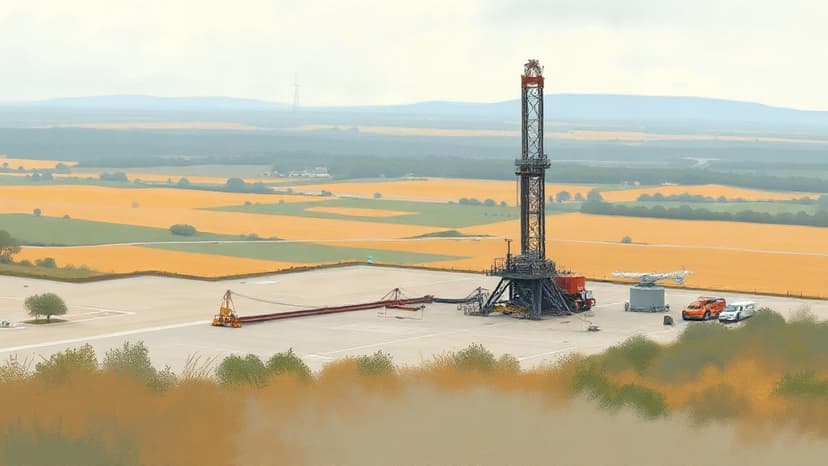
Kenya is advancing its geothermal energy capacity, with projects like the 750 MW Suswa aiming to generate 300 MW to reduce fossil fuel reliance. However, local communities near Mt. Suswa and Menengai report threats to their water security and livelihoods, citing inadequate community engagement and lack of Free, Prior and Informed Consent.
The Menengai project has attracted $198.4 million in investments, yet residents express concerns over noise, air pollution, and environmental degradation. Civil society organizations are increasingly seeking accountability from project financiers, facing barriers such as unsatisfactory responses to complaints. This situation underscores the tension between national clean energy goals and local community impacts.


Comments