
Korea to Mandate Solar Panels on New Factory Roofs for Renewable Energy Goals
The South Korean government is set to require solar panel installations on new factories as part of its renewable energy strategy, aiming for 100 gigawatts of capacity by 2030. This initiative, part of a broader energy transition plan, necessitates nearly tripling current solar output within four years.
 Theia Market Signal Identification - AI Assisted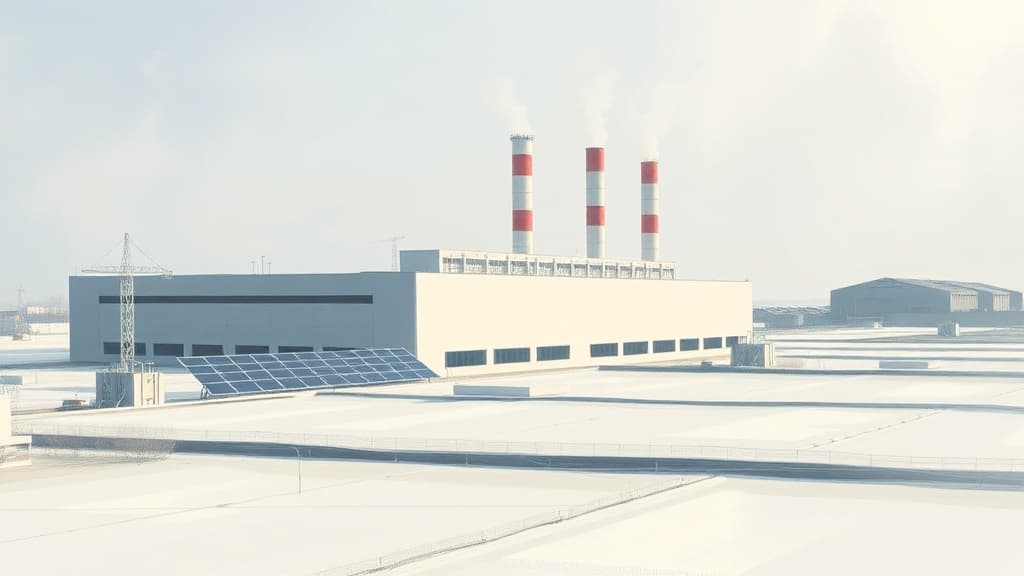
The South Korean government will mandate solar panels on the rooftops of new factories, part of a strategy to achieve 100 gigawatts of renewable energy capacity by 2030. Currently, the country has approximately 37 gigawatts installed, necessitating an increase of 56 gigawatts over the next four years.
Policymakers plan to enhance public engagement by allowing local communities to invest and share in project revenues, potentially benefiting around 10 million residents. However, achieving these targets presents challenges, including the need for significant increases in solar capacity and addressing grid constraints.
The government also seeks to electrify heating and transport, aiming for 40% of new car sales to be electric or hydrogen vehicles by 2030 and phasing out coal by 2040. The feasibility of these plans has been questioned, citing concerns over cost and grid stability.


Comments