
Malaysia Expands Solar Energy Production with Decreasing Battery Storage Costs
Malaysia is rapidly expanding solar energy production due to falling battery storage costs. The decline in Battery Energy Storage Systems (BESS) prices allows solar projects to provide continuous power, overcoming previous limitations of daylight-only generation. Government support under the National Energy Transition Roadmap enhances clean energy development, enabling predictable pricing for corporate buyers. The growth of solar-plus-storage projects positions Malaysia as a regional renewable energy hub, facilitating electricity exports through the ASEAN Power Grid initiative.
 Theia Market Signal Identification - AI Assisted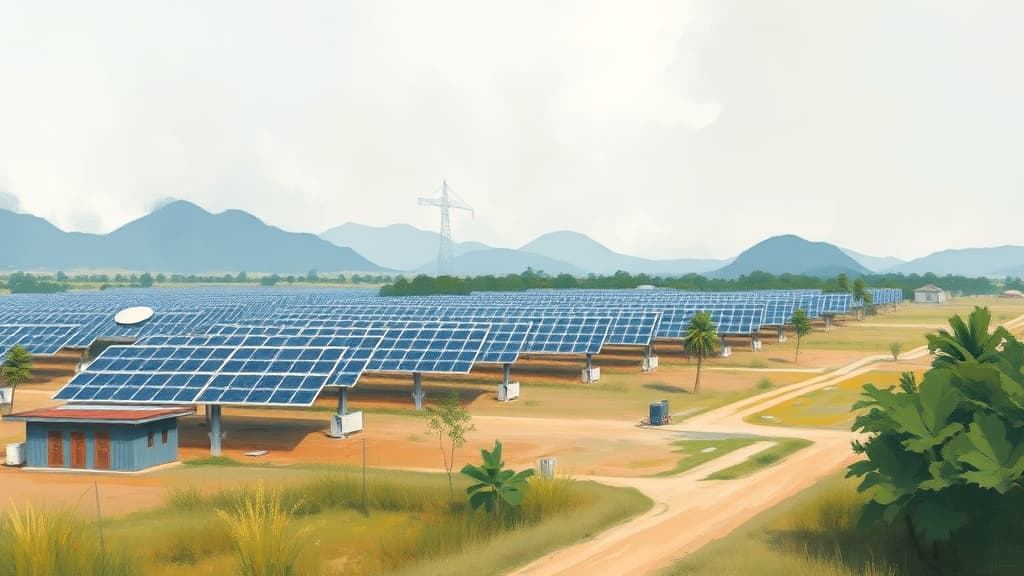
Malaysia is expanding its solar energy production as battery storage costs decline, facilitating a transition in renewable energy. Leading solar companies are increasing output to meet growing demand, enabled by lower prices for Battery Energy Storage Systems (BESS).
This shift allows for energy storage during the day and use during peak evening hours, improving reliability. Government policies under the National Energy Transition Roadmap support clean energy growth.
As solar-plus-storage projects expand, Malaysia aims to become a regional renewable energy hub, exporting surplus electricity through the ASEAN Power Grid initiative. Local manufacturers and firms benefit from increased construction activity, enhancing energy security while supporting climate goals.


Comments