
Narmada Project: From Bharuch Proposal to Sardar Sarovar Controversy
The Narmada project, initiated in 1946 as a modest dam proposal, evolved into a significant controversy over water allocation and environmental concerns after hydrological studies necessitated a larger dam. The establishment of the Narmada Water Disputes Tribunal in 1969 aimed to resolve inter-state conflicts but triggered civil society opposition regarding ecological impacts and community displacement. The project's legacy highlights the complex interplay between development, public scrutiny, and the consequences for affected populations.
 Theia Market Signal Identification - AI Assisted
The Narmada project began in 1946 with a modest dam proposal near Bharuch for irrigation and hydroelectric power. Initially dormant, it was revived in the mid-1950s with a new dam plan, leading to foundation stone laying by Jawaharlal Nehru in 1961.
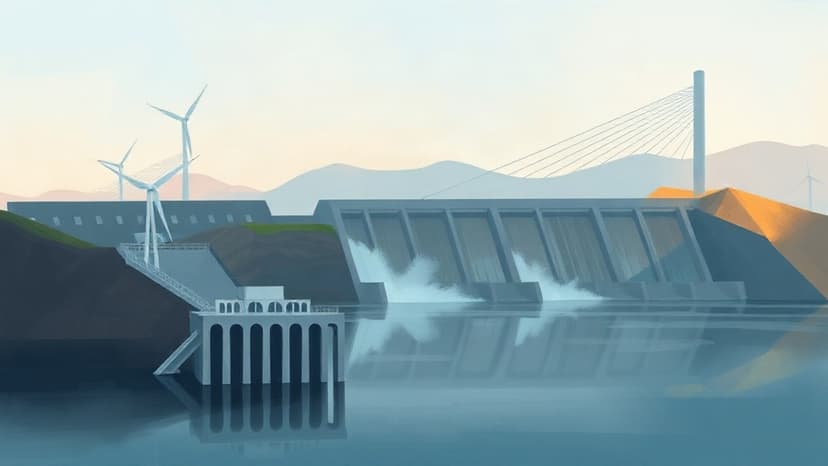
The project evolved significantly after hydrological studies indicated a much greater water flow than expected, necessitating a larger dam of 510 feet to meet Gujarat's water needs. This led to inter-state conflicts, particularly with Madhya Pradesh and Maharashtra, culminating in the establishment of the Narmada Water Disputes Tribunal in 1969.
The Tribunal's 1979 decision allocated water shares and set the dam height at 455 feet, but sparked civil society opposition over ecological impacts and displacement of families. Supporters highlighted potential benefits in irrigation and hydropower. The project's legacy raises questions about development, public scrutiny, and the costs borne by affected communities.


Comments