
Norwegian Researchers Address Gas Supersaturation in Hydropower Plants Impacting Aquatic Life
Norwegian researchers from the Norwegian University of Science and Technology are addressing gas supersaturation in hydropower plants, which poses a threat to aquatic life, particularly fish and bottom-dwelling animals. The DeGas project, led by Professor Ole Gunnar Dahlhaug, aims to mitigate these risks using an acoustic transducer to eliminate dissolved air in water, with initial tests showing significant flow rate improvements. The researchers emphasize the need for enhanced monitoring regulations, as current measures are inadequate to protect ecosystems from high levels of air saturation recorded at various power plants.
 Theia Market Signal Identification - AI Assisted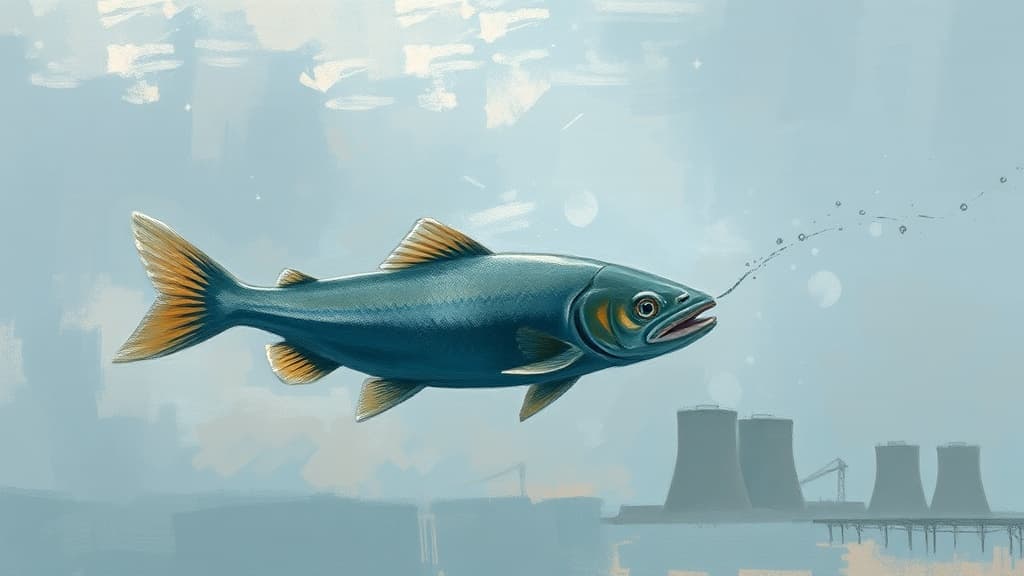
Norwegian hydropower plants are causing gas supersaturation, threatening fish and bottom-dwelling animals. Researchers from the Norwegian University of Science and Technology (NTNU), led by Professor Ole Gunnar Dahlhaug, are investigating solutions to this issue, exacerbated by climate change and flooding.
Gas bladder disease, akin to decompression sickness in humans, affects fish when they are exposed to oversaturated water, which can occur through intake tunnels at hydropower facilities. The DeGas project aims to mitigate these risks, utilizing an acoustic transducer to eliminate dissolved air in water.
Initial tests indicate the method's effectiveness at increasing flow rates from 4 to 600 liters per second. The researchers advocate for monitoring requirements from authorities, noting that current regulations are insufficient to address the problem. High levels of air saturation have been recorded at some Norwegian power plants, posing significant risks to aquatic ecosystems.


Comments