
Pakistan's Solar Policy Faces Public Backlash Amid Regulatory Changes
Pakistan's shift from net metering to net billing for solar power threatens the sector's growth and consumer affordability. The government's actions may undermine international commitments and lead to increased public dissent.
 Theia Market Signal Identification - AI Assisted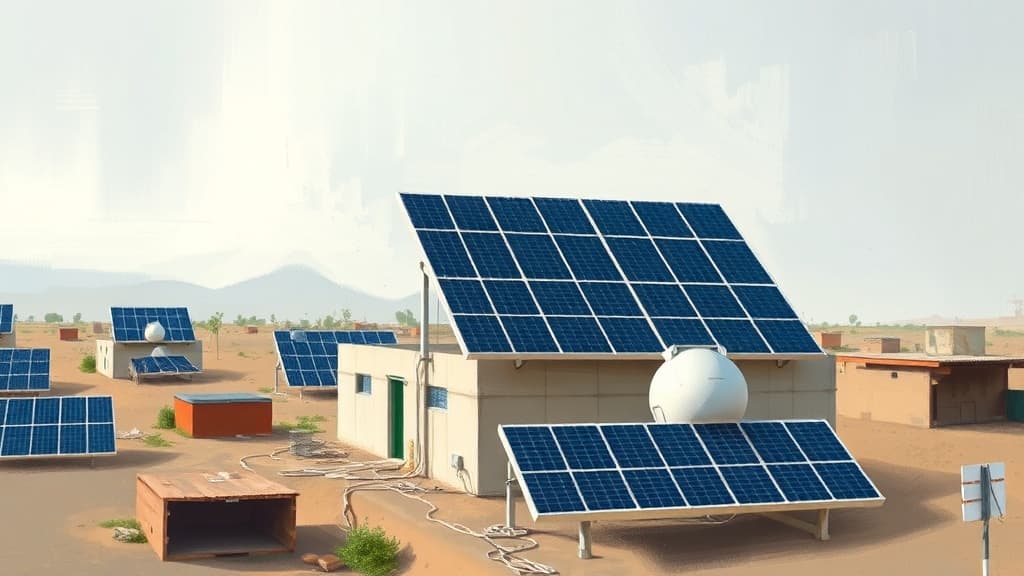
The government of Pakistan is transitioning from a net metering system to a net billing system for solar energy, offering lower rates of approximately Rs10 per unit. This change is intended to address challenges posed to the national grid by consumer-installed solar panels, but it risks alienating the public, who face rising electricity costs.
The country's reliance on independent power producers (IPPs) has led to a widening gap between generation costs and consumer tariffs, exacerbating financial strain on households. Protests against high electricity bills reflect the public's frustration with the government's approach, which favors IPPs over consumer interests. If unresolved, these tensions may hinder Pakistan's renewable energy goals and international commitments under the UNFCCC and Sustainable Development Goals.



Comments