
Renewable Energy Adoption in Brazilian Farms and Meat Plants Reduces Costs
Brazil's animal protein sector is increasingly adopting renewable energy solutions such as biodigesters, biogas, and solar energy to reduce costs and emissions, with potential energy from farm waste capable of powering small cities. Companies like Carbotex Química and Solistica are recognized for their energy reuse practices, while the integration of solar panels is becoming common, enhancing energy efficiency and sustainability. This shift towards renewable systems is expected to become standard in the coming decades, driven by climate imperatives and competitive advantages.
 Theia Market Signal Identification - AI Assisted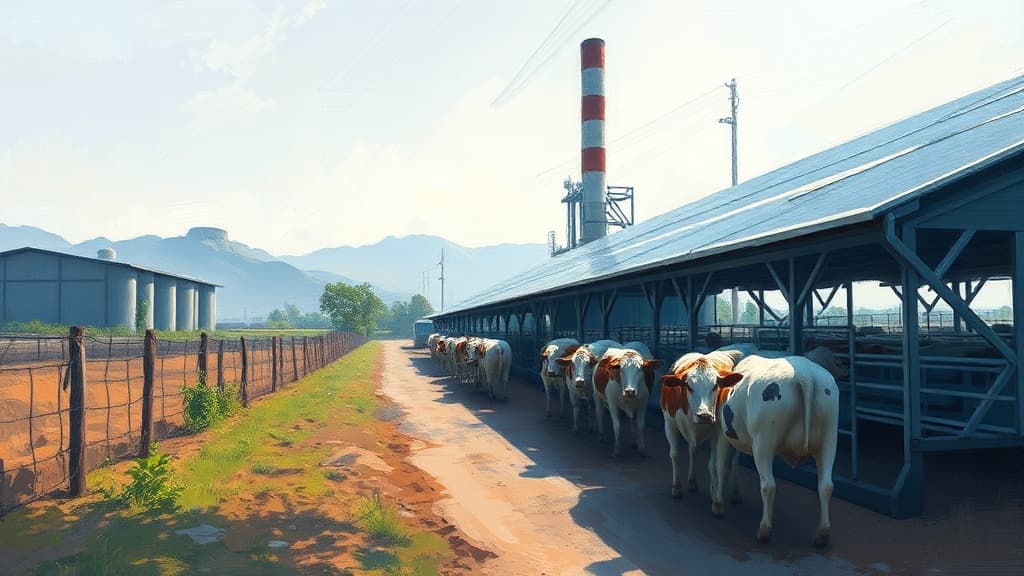
In Brazil, the animal protein sector is increasingly replacing fossil fuels with renewable energy solutions like biodigesters, biogas, and solar energy to lower costs and emissions. Embrapa Suínos e Aves indicates that the energy potential from waste in Brazilian farms could supply small cities if fully captured as biogas.
Recognized cases for the Troféu Curuca highlight energy reuse practices by companies like Carbotex Química and Solistica. Solar panels are becoming a common alternative, reducing dependence on the grid and providing predictability in supply-volatile regions.
Many award finalists are integrating energy efficiency into broader sustainability programs, marking a decisive step towards cleaner production. The sector is rapidly advancing, with renewable systems expected to become standard in the coming decades due to climate necessity and competitive advantages.




Comments