
Sentinel-2 Satellite Captures False Color Image of Manicouagan Crater in Quebec, Canada
The Copernicus Sentinel-2 satellite has captured a striking false-color image of the Manicouagan crater in Quebec, Canada, which was formed by an asteroid impact 214 million years ago. Known as the 'eye of Quebec,' the crater measures approximately 45 miles in diameter and features René-Levasseur Island at its center, while the surrounding areas showcase vibrant ecosystems within a UNESCO biosphere reserve. The imagery highlights various elements, such as snow, ice, and dense vegetation, alongside the modern infrastructure of Manicouagan Lake, created in the 1960s for hydroelectric purposes.
 Theia Market Signal Identification - AI Assisted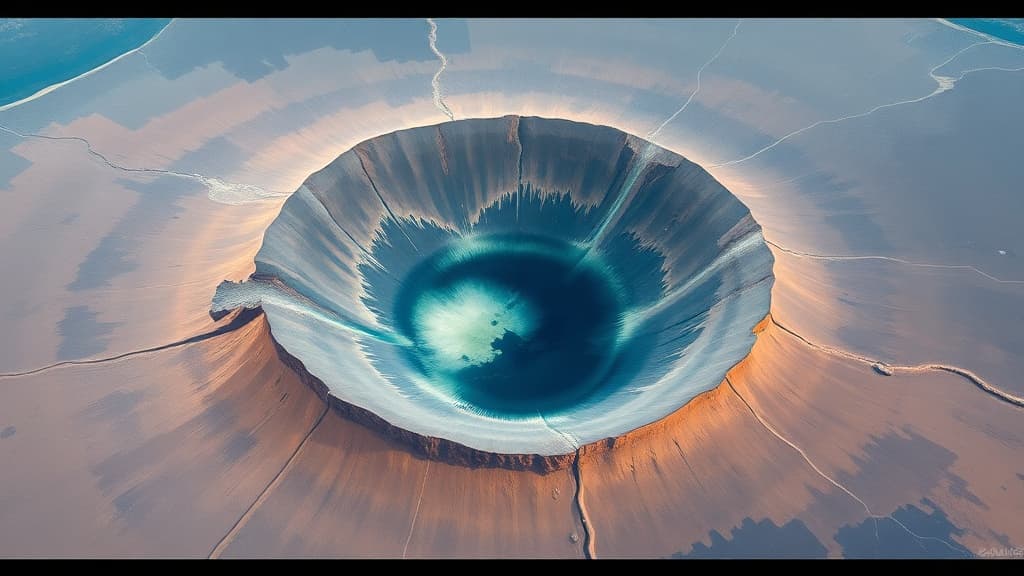
The Copernicus Sentinel-2 satellite captured a false-color image of Manicouagan crater in Quebec, Canada, highlighting its circular structure formed by an asteroid impact 214 million years ago. This crater, also known as the 'eye of Quebec,' features René-Levasseur Island at its center and spans about 45 miles (72 km) in diameter.
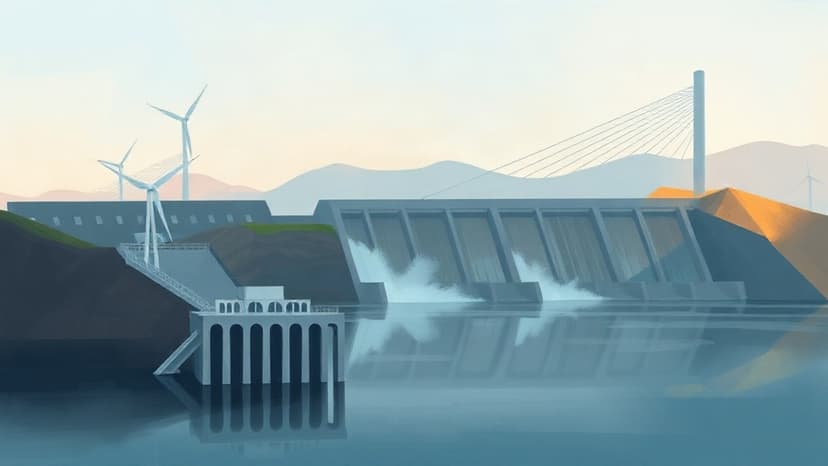
The asteroid that created the crater was approximately 3 miles (5 km) wide. The imagery showcases snow in bright white, ice in blue, and areas of thick vegetation in vivid red, indicating boreal forest and tundra ecosystems that are part of a UNESCO biosphere reserve. The reservoir, known as Manicouagan Lake, was established in the 1960s as part of a hydroelectric project, integrating ancient geological history with modern infrastructure.

Comments