
States Can Utilize Surplus Interconnection Service to Optimize Power Plant Capacity
As electricity demand rises in the U.S., Surplus Interconnection Service (SIS) offers a solution for quicker power generation integration. SIS allows new energy resources to connect to the grid by leveraging existing power plants' unused capacity, significantly reducing wait times from years to months. Established by the Federal Energy Regulatory Commission in 2018, SIS enables power plants over 20 MW to add resources like solar and batteries, enhancing energy deployment, reliability, and minimizing land use while reducing grid congestion and transmission costs.
 Theia Market Signal Identification - AI Assisted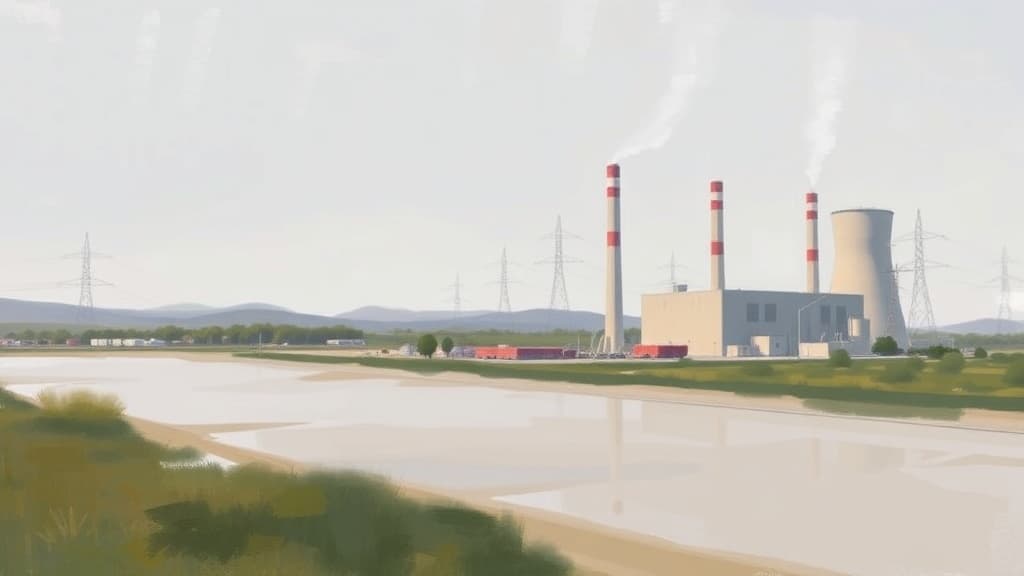
The increasing electricity demand in the U.S. necessitates cost-effective solutions for power generation. Surplus Interconnection Service (SIS) allows for faster integration of new power generation or storage by using surplus capacity at existing plants, circumventing lengthy interconnection queues.
Established in 2018 by the Federal Energy Regulatory Commission for plants over 20 MW, SIS facilitates the addition of resources such as solar and batteries. This method boosts energy delivery, minimizes land use, enhances reliability, reduces grid congestion, and lowers transmission costs. State governments can promote SIS to enhance grid capacity efficiently.


Comments