
Study Reveals Offshore Wind Farms' Impact on Seabird Populations
A study co-authored by UHI North, West and Hebrides researchers shows that offshore wind farms significantly affect seabird populations during the non-breeding season, with implications for biodiversity. The research provides critical insights into the lethal and non-lethal impacts, emphasizing the need for informed offshore wind planning.
 Theia Market Signal Identification - AI Assisted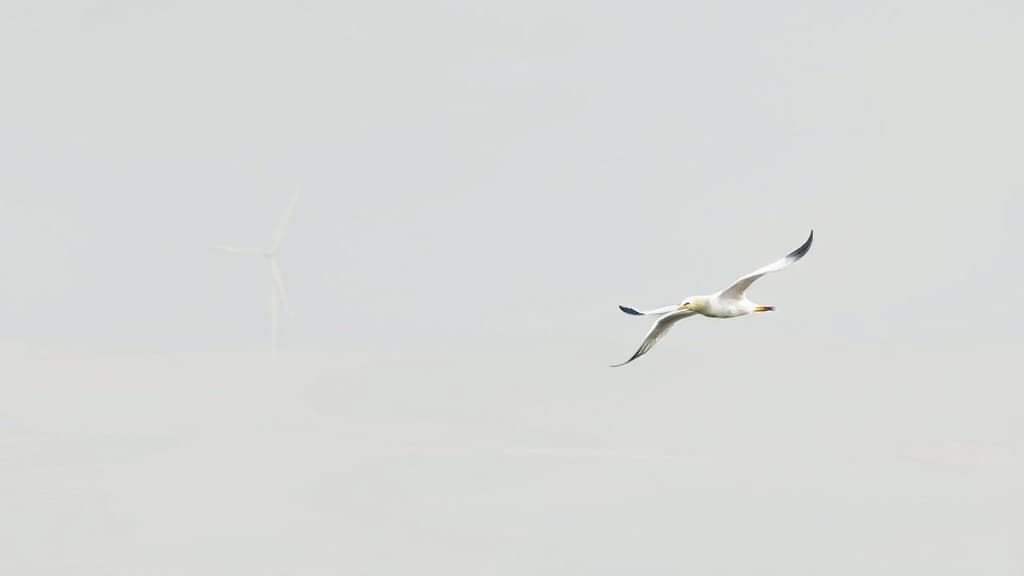
Research led by Dr. Lila Buckingham from NINA, part of the MARCIS project, indicates that offshore wind farms can displace nearly 49.6% of common guillemots from feeding habitats, with potential mortality rates reaching 5.32%.
For black-legged kittiwakes, collision risks are very low at 0.055%. The study utilized advanced modelling based on SEATRACK data to evaluate seabird behavior and energy use. This research highlights the importance of addressing non-lethal effects, including habitat loss, as offshore wind energy expands.
Further investigation into energetic costs of displacement is necessary to fully understand the impacts on seabird populations. The findings will aid in balancing renewable energy needs with marine biodiversity protection.




Comments