
Sustainable Forest Management in Asturias to Support Decarbonisation and Ecosystem Services
Asturias is shifting from coal production to sustainable forest management (SFM) to combat energy consumption and carbon emissions, addressing environmental and socio-economic challenges. The initiative, supported by the European Union Forest Strategy for 2030, aims to enhance ecosystem services while creating local jobs through forest biomass as a renewable energy source. A project by the University of Oviedo seeks to restore forest value in former mining areas, despite challenges posed by fragmented land ownership.
 Theia Market Signal Identification - AI Assisted
Asturias, historically a major coal producer, is transitioning from traditional mining to sustainable forest management (SFM) to address energy consumption and carbon emissions. The region now consumes more energy than it produces, leading to environmental degradation and socio-economic challenges.
SFM is positioned as a mechanism for carbon neutrality and a just transition, combining climate mitigation with local job creation. The European Union Forest Strategy for 2030 emphasizes SFM's role in enhancing ecosystem services.
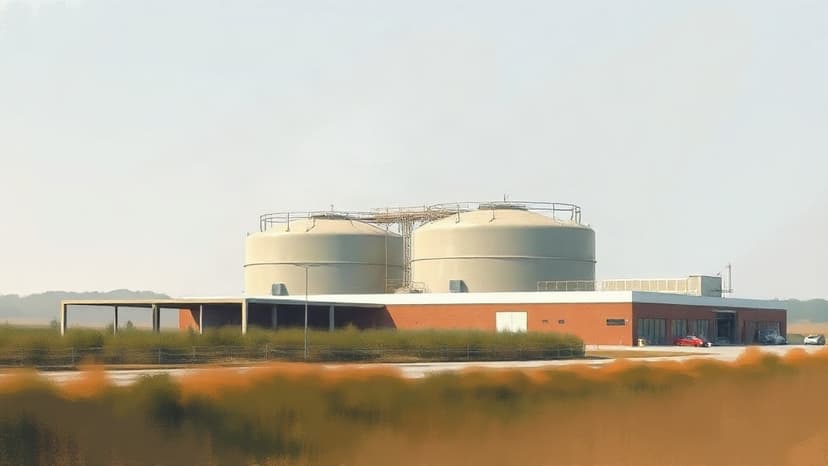
Forest biomass is promoted as a renewable energy source, reducing fire risk and reliance on fossil fuels. However, fragmented land ownership limits SFM implementation. A project led by the University of Oviedo aims to restore forest value in former mining areas by providing digital tools for carbon management. This includes preparing forest plots for carbon registries and adapting to local biomass demands, particularly with a forthcoming biomass power plant set to operate in 2027.


Comments