
Thailand's Petroleum Act Amendments Delayed Amid Gas Production Issues
Thailand's Department of Mineral Fuels has completed amendments to the Petroleum Act aimed at ensuring the continuity of petroleum production, but approval is stalled pending the formation of a new government. Delays in domestic gas production have heightened reliance on expensive LNG imports, exacerbating production costs and complicating the renewal process for key gas field licenses. The recent expiration of licenses amid rising global oil prices has prompted government subsidies for electricity, leading to significant long-term financial implications.
 Theia Market Signal Identification - AI Assisted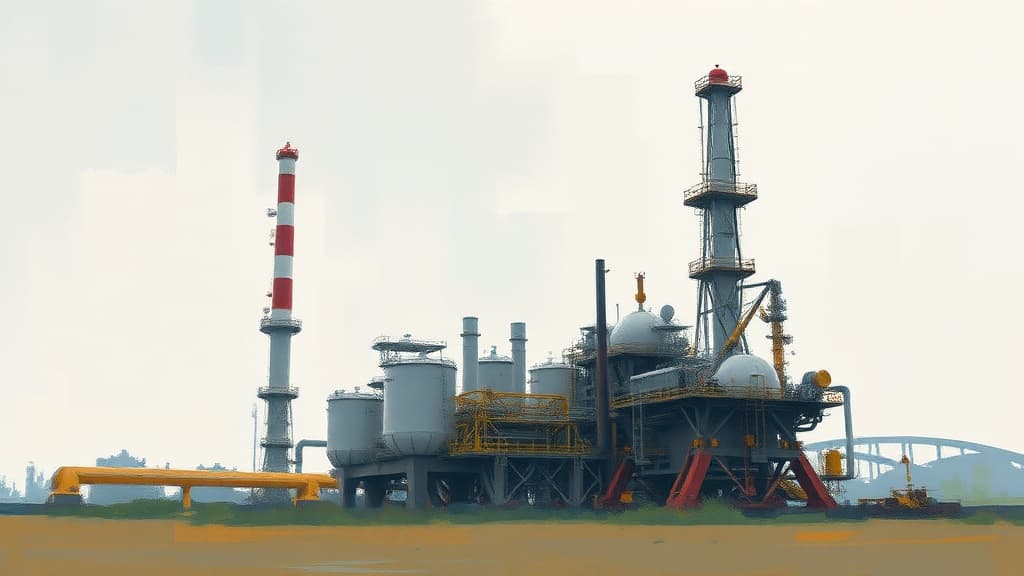
The Department of Mineral Fuels in Thailand has completed amendments to the Petroleum Act to ensure petroleum production continuity after license expirations. However, approval is pending a new elected government.
Delays in domestic gas production have increased reliance on costly LNG imports, raising production costs. Last year, amendments were close to cabinet approval before the dissolution of parliament. A caretaker government cannot approve binding projects.
The Petroleum Act allows a one-time renewal for 10 years, but further renewals require cabinet approval. Renewals, now subject to bidding, have led to delays in production, increasing dependence on LNG. Recent license expirations in key gas fields coincided with a surge in global oil prices, prompting government subsidies for electricity that created long-term financial burdens.


Comments