
Toxic Waste Risks from Nickel Smelters in Indonesia
Indonesia's nickel industry faces significant environmental and social risks from toxic waste generated by HPAL technology. The expansion of nickel processing facilities without adequate regulation raises concerns over safety, pollution, and community health.
 Theia Market Signal Identification - AI Assisted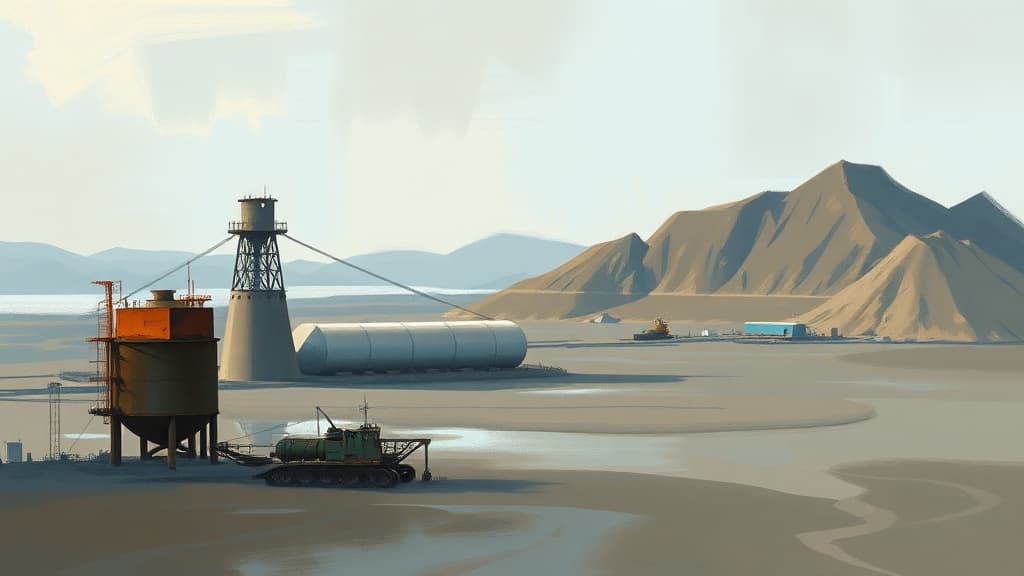
Indonesia is set to have seven high-pressure acid leaching (HPAL) facilities operational by mid-2025, producing approximately 57 million tons of toxic waste annually. This volume may rise to 62.6 million tons with the addition of two new facilities.
Current regulations fail to adequately oversee the rapid expansion of nickel processing, heightening risks to communities and the environment. Research indicates that these facilities have a history of failures, with incidents leading to fatalities and chronic water pollution from heavy metals.
The risks are exacerbated by Indonesia's geological conditions and high rainfall. Without stringent mitigation measures, the nickel industry's expansion threatens severe environmental disasters.


Comments