
U.S. Navy's Essex-Class Carriers: 24 Built During WWII, Legacy Endures
The U.S. Navy constructed 24 Essex-class aircraft carriers during WWII, which became crucial to naval operations. Developed in response to the collapse of naval treaties, the class featured advanced capabilities, including the operation of 90 aircraft. The carriers served throughout the war and into the Cold War, with the last, USS Lexington, retiring in 1991. Their design and performance significantly influenced U.S. naval power, marking the Essex-class as one of the most important ship programs in history.
 Theia Market Signal Identification - AI Assisted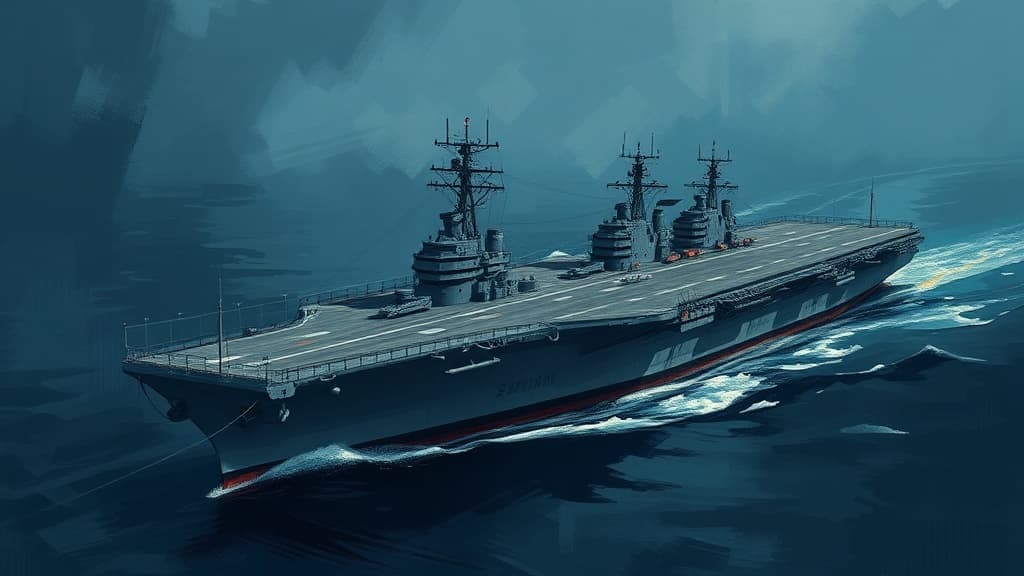
The U.S. Navy built 24 Essex-class aircraft carriers during WWII, initially ordered as 32 ships. Designed to operate 90 aircraft and reach speeds of 33 knots, they became pivotal in the Pacific Fleet from Leyte Gulf to Okinawa.
The first ship, USS Essex (CV-9), was commissioned in 1942. The carriers, displacing over 30,000 tons, featured advanced propulsion and armament, contributing to U.S. air superiority. Post-war modifications allowed them to operate jets into the Vietnam War, with USS Lexington retiring in 1991. The Essex-class is regarded as a landmark in naval history, shaping modern carrier operations.




Comments