
Verdant Earth Technologies Seeks Solutions Following IPC Rejection of Biomass Power Station Proposal in Hunter Valley
Verdant Earth Technologies aims to address concerns after the Independent Planning Commission of NSW rejected its proposal to convert the former Redbank coal-fired power station into a biomass generator. Nearly 95% of public submissions opposed the project, citing environmental impacts related to land clearing. While the commission acknowledged potential benefits such as energy security and job creation, it found that the application failed to sufficiently assess adverse environmental impacts. The company is now considering its options moving forward.
 Theia Market Signal Identification - AI Assisted
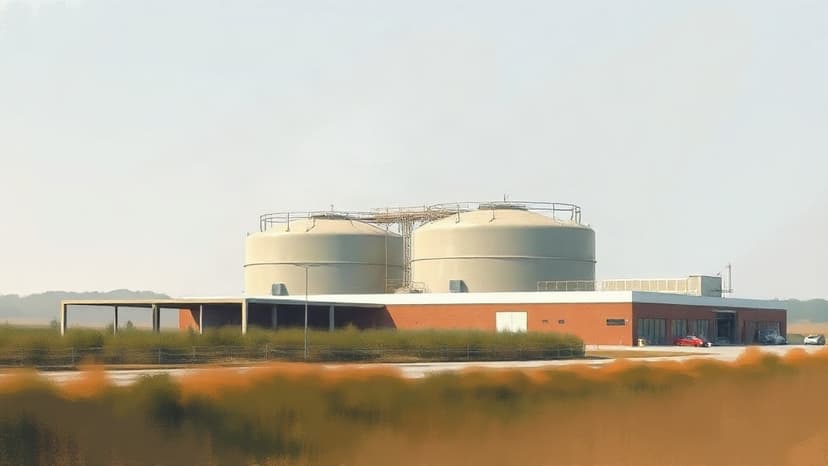
In a surprising turn of events, Verdant Earth Technologies is grappling with the recent rejection of its proposal to revitalize the Redbank power station as a modern biomass energy generator. This project, envisioned as the largest of its kind in Australia, aimed to utilize a mix of invasive species and purpose-grown plants as fuel. However, the Independent Planning Commission (IPC) of New South Wales dismissed the application, primarily due to significant environmental concerns raised by the community.
The IPC's decision followed a thorough examination of nearly 600 public submissions, with an overwhelming 95% opposing the initiative. The commission held a public hearing in Singleton, where local sentiments were echoed regarding the potential environmental repercussions of incentivizing land clearing. Although the IPC recognized the project’s merits, including the efficient use of existing infrastructure and its promise of enhanced energy security and job creation, it ultimately concluded that Verdant Earth Technologies had not adequately addressed the potential adverse impacts associated with its fuel strategy.
At the heart of the proposal was the plan to utilize thousands of tonnes of invasive native scrub, a significant issue for local farmers battling the widespread proliferation of these species. The company anticipated that, within five years, it would transition to using purpose-grown biomass, which could mitigate the environmental footprint. Yet, the IPC remained cautious, asserting that the large-scale clearing required by the project warranted a more comprehensive assessment to ensure no detrimental environmental consequences would arise.
Richard Poole, CEO of Verdant Earth Technologies, expressed his disappointment at the decision, believing that managing invasive species could positively impact biodiversity. Conversely, Singleton Mayor Sue Moore welcomed the IPC's ruling, citing the need to address numerous unresolved questions surrounding the project.
The Nature Conservation Council of NSW hailed the decision as a victory for environmental protection. CEO Jacqui Mumford highlighted the potential carbon emissions resulting from the biomass project, warning that it could contribute an additional 1.3 million tonnes of carbon dioxide annually. She emphasized the state's commitment to transitioning to renewable energy, suggesting that biofuels might be an unnecessary addition to the energy mix.
As Verdant Earth Technologies contemplates its next steps, including the possibility of appealing the decision or submitting a revised application, the company is keen to engage with the local community to address their concerns. The future of the Redbank power station remains uncertain, but the dialogue surrounding energy sustainability and environmental stewardship continues to evolve in the Hunter Valley.


Comments