
WWF Indonesia Urges Government to Prioritize Safety and Sustainability in Waste-to-Energy Projects
WWF Indonesia has called on the government to ensure that waste-to-energy (WTE) projects prioritize human safety and long-term environmental sustainability. Program Manager Sekti Mulatsih emphasized the importance of using environmentally sound technologies while maintaining rigorous environmental standards. The organization highlights the need for transparent scientific data and impact assessments to mitigate health and environmental risks. Despite challenges such as high investment costs and complex technology, the government remains open to international investment while setting firm parameters for energy pricing and project standards.
 Theia Market Signal Identification - AI Assisted
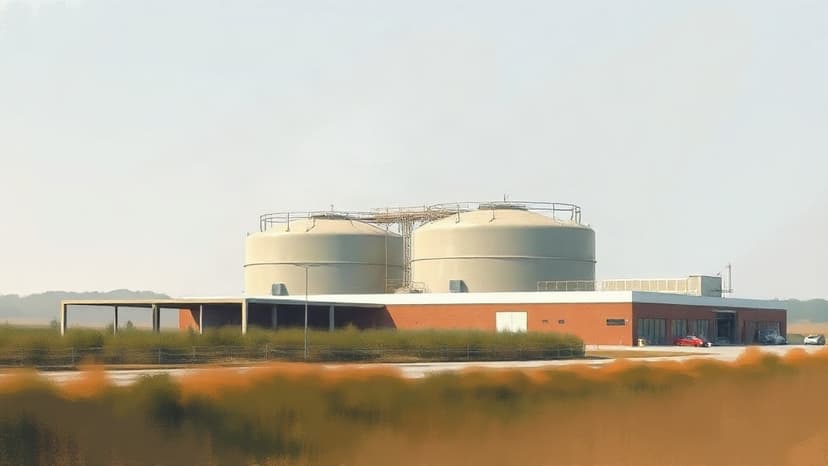
WWF Indonesia has urged the government to take a cautious approach to waste-to-energy (WTE) projects, emphasizing the need for human safety and long-term environmental sustainability. Sekti Mulatsih, Program Manager for Plastic Smart Cities at WWF Indonesia, noted that transforming waste into energy is a promising strategy being explored in various cities. However, she stressed that the adoption of technologies—such as landfill gas extraction and biogas energy production—must be guided by stringent environmental standards to ensure a genuinely eco-friendly energy transition.
The organization calls for all policies and technologies related to waste processing to be underpinned by transparent scientific data and impact assessments. This transparency is crucial to minimize potential health and environmental risks associated with chosen technologies. Mulatsih expressed her hope that the technologies implemented will not contribute to hazardous emissions or a significant carbon footprint, thereby safeguarding both environmental integrity and public health.
Currently, WTE projects face substantial challenges across 33 provinces, including high investment requirements, intricate technology needs, infrastructure readiness, and potential negative impacts on health and the environment. These factors pose significant risks that could hinder the projects from meeting their intended goals.
Andantara Rosan P. Roeslani, CEO of BPI, indicated that the waste-to-energy initiative is open to both domestic and foreign investors, yet the government has delineated non-negotiable parameters, particularly regarding pricing for electricity derived from waste. He emphasized the established standard price of 20 cents per kilowatt-hour, which is fixed and not subject to negotiation, alongside a commitment to a transparent tender process.
Investment values will vary based on project capacity and location, but Rosan reiterated the strategic importance of these large-scale projects in reducing dependency on landfill sites and facilitating Indonesia's clean energy transition. Each location is expected to process a minimum of 1,000 tons of waste daily, with Jakarta capable of handling up to 2,500 tons depending on demand.
However, the road to effective waste management is fraught with complexities, as pointed out by Bhima Yudhistira, Director at the Center of Economic and Law Studies (CELIOS). He noted that the government's focus on WTE must also address the broader waste management regime, as transforming waste into energy is not currently economically viable.
Investment in WTE infrastructure, with costs potentially reaching between $5 million to $13 million per megawatt, is considerably higher than alternative technologies. This economic reality, coupled with the ongoing trend of energy transition away from WTE, presents a daunting challenge for prospective investors. Furthermore, Bhima cautioned that effective waste management begins at the household level, highlighting the necessity for waste separation before it reaches landfills.
He argued that approaches like co-firing are not practical solutions, as they tend to be more expensive than retiring traditional coal-fired power plants early. As the landscape of energy production evolves, the path forward for WTE projects remains uncertain, necessitating a careful reassessment of strategies and investments in waste management.


Comments