
Algae Treatment Cuts E. coli Levels by 10,000-Fold in Mossel Bay Wastewater
A CSIR-developed algae treatment has reduced E. coli levels by 10,000-fold at Mossel Bay's wastewater works, improving water quality for local farmers and communities. The algae co-culture, grown in Stellenbosch and scaled up onsite, effectively outcompetes harmful organisms and reduces nutrient levels. Funded by the Department of Science and Innovation through a European Biodiversity Partnership, the project also explores the potential for repurposing algal biomass for animal feed, bio-packaging, or biofuels.
 Theia Market Signal Identification - AI Assisted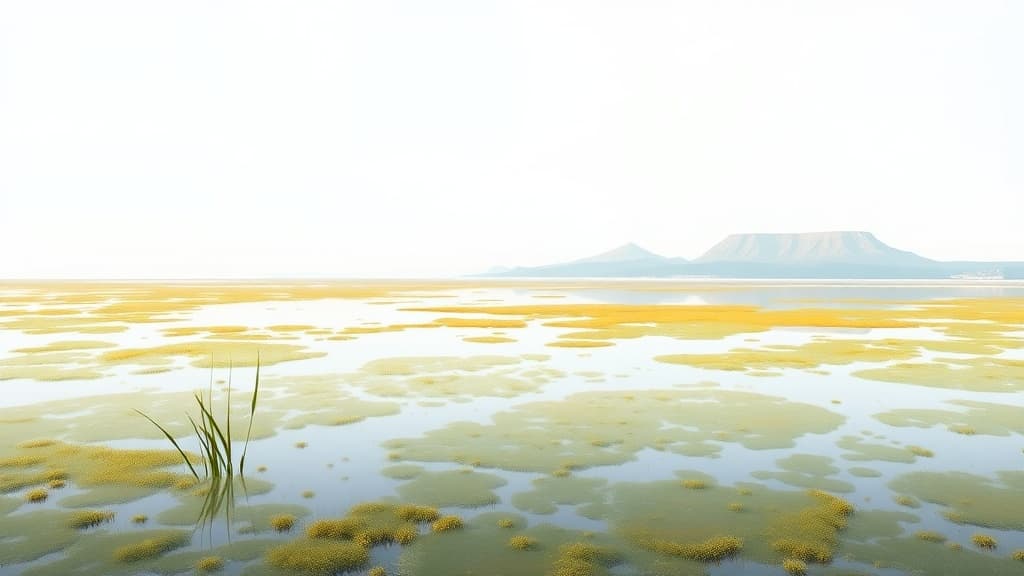
An algae-based treatment developed by the Council for Scientific and Industrial Research (CSIR) has achieved a 10,000-fold reduction in E. coli levels at the wastewater treatment facility in Mossel Bay. This low-cost, low-energy solution has been implemented to enhance water quality for farmers and communities.
The treatment involves a co-culture grown in Stellenbosch and applied onsite, where water circulates through seven ponds over approximately 10 days. The system has also reduced nitrates and phosphates by up to 90%, improving groundwater safety for agricultural use. The project is funded by the Department of Science and Innovation through a European Biodiversity Partnership, with ongoing research into utilizing harvested algal biomass for animal feed, bio-packaging, or biofuels.



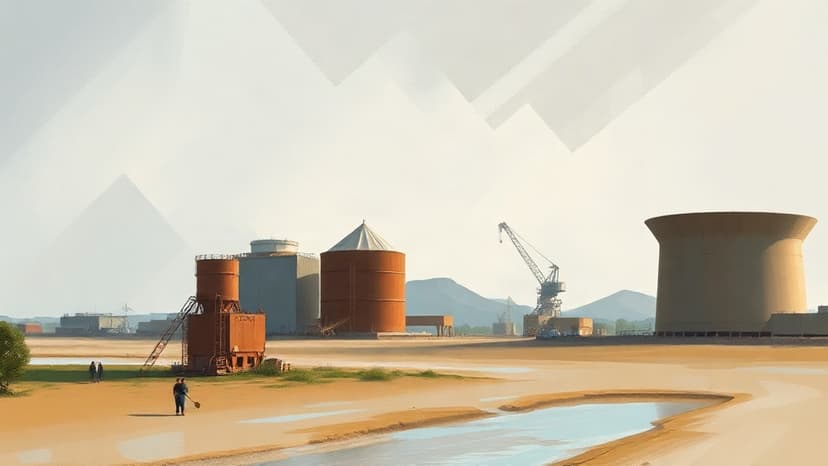
Comments