
Denmark to Construct Underground CO2 Storage in North Sea for Emission Reduction
Denmark is set to begin constructing an underground CO2 storage facility in the North Sea, utilizing an old oil platform to support its emission reduction goals. The initial project, part of Project Greensand, aims to store 400,000 tons of CO2 annually, with plans to expand capacity to eight million tons by 2030, focusing on emissions from industrial processes. This initiative aligns with Denmark's commitment to the Paris Agreement and will involve capturing CO2 from biomethane production for permanent storage.
 Theia Market Signal Identification - AI Assisted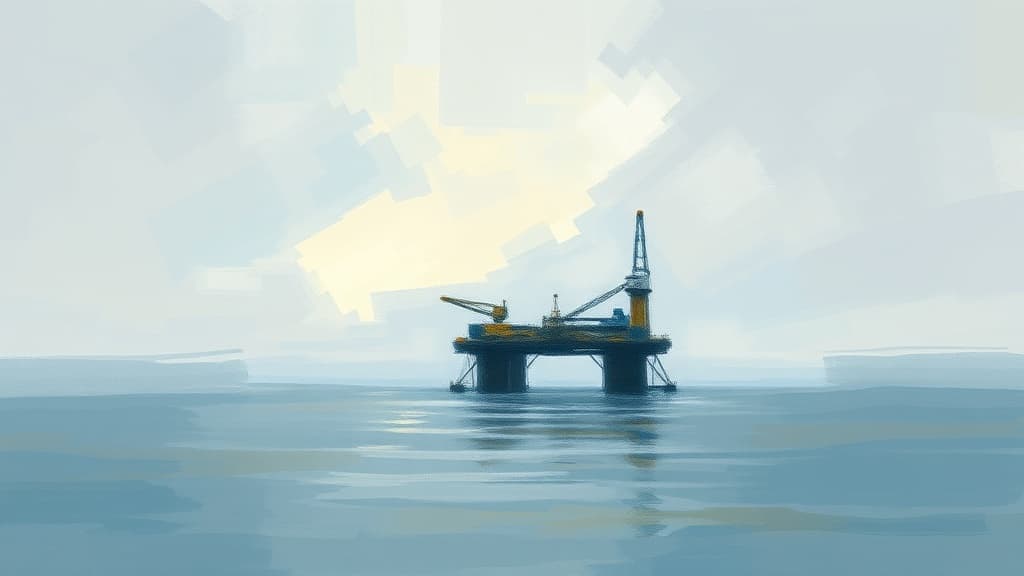
Denmark plans to store CO2 beneath the seabed in the North Sea, with the first project set to start in summer on an old oil platform. This initiative aims to help reduce emissions in Denmark and across Europe, contributing to climate goals outlined in the Paris Agreement.
The Danish government sees this method as a solution for mitigating emissions from industrial processes, which are challenging to eliminate. The initial CO2 storage facility under the Project Greensand will have a capacity of 400,000 tons per year, with a goal to expand to eight million tons by 2030. The CO2 will be captured from Danish biomethane production facilities and transported to the Nini field, approximately 240 kilometers off the Danish coast, for permanent storage.

Comments