
Fukushima Nuclear Disaster: Underreported Impact and Ongoing Risks in Japan
The Fukushima nuclear disaster has officially claimed six lives, but the actual death toll from radiation exposure is likely higher, with over 160,000 people displaced. Despite the Japanese government's assurances of control, ongoing contamination and safety risks persist, particularly regarding the decommissioning of reactors and the release of contaminated water into the Pacific. This situation highlights the need for a shift towards renewable energy sources as a safer alternative to nuclear power.
 Theia Market Signal Identification - AI Assisted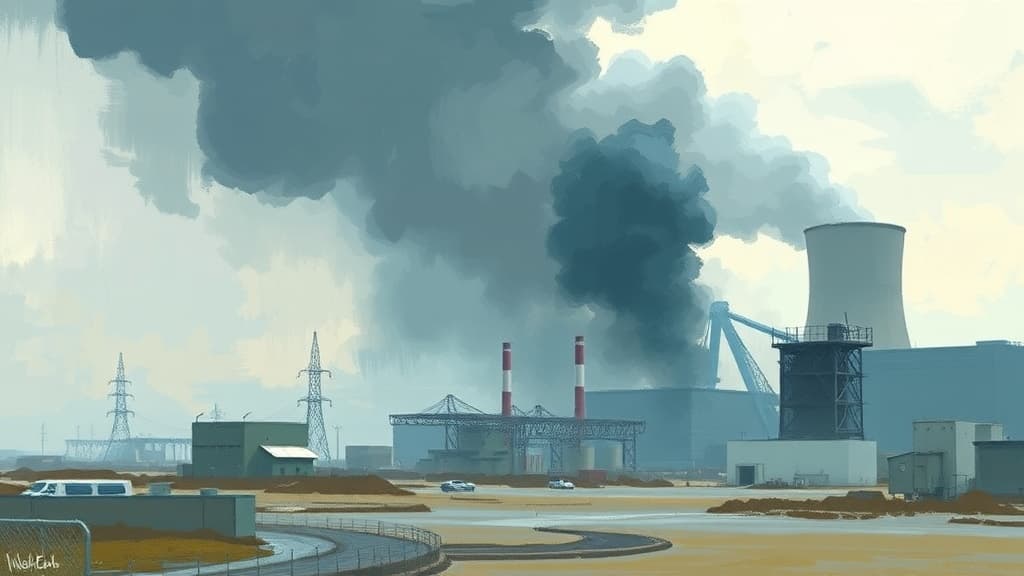
The Fukushima disaster in Japan has a reported death toll of six, but the actual number of fatalities related to radiation exposure is likely higher. Officially, 22,727 people were displaced, while estimates suggest at least 160,000 fled the area.
The Japanese government promotes a narrative of control over the situation, but ongoing contamination and risks remain, including dangerous conditions at the plant. The Tokyo Electric Power Company plans to decommission the reactors in 40 years without a clear strategy.
The release of contaminated water into the Pacific has raised safety concerns. The relationship between regulators and the nuclear industry in Japan reflects broader issues in privatized sectors. The disaster serves as a cautionary tale for nuclear safety worldwide, as new reactor designs offer no guarantees against risks. The narrative around energy supply must shift toward renewable sources as a viable alternative to nuclear power.


Comments