
South Korea Targets 40% Emission Reduction by 2030 with Focus on Energy Tech Innovations
South Korea plans to reduce national emissions by 40% from 2018 levels by 2030, focusing on energy and transportation sectors, with a significant $99 billion investment in cleantech. The government aims to decrease reliance on coal and LNG, currently responsible for 37% and 36% of emissions, respectively, while increasing renewable energy to 33% by 2038. Key initiatives include advancements in offshore wind, solar technologies, hydrogen production, and the development of Small Modular Reactors (SMRs).
 Theia Market Signal Identification - AI Assisted
South Korea aims to cut national emissions by 40% from 2018 levels by 2030 across eight sectors, including energy and transportation. The country's economy heavily relies on coal and LNG, which contribute to 37% and 36% of emissions, respectively.
The government plans to invest approximately $99 billion in cleantech by 2030 to address these challenges. Current energy sources include 32% nuclear, 28% coal, and 28% LNG, with renewables at only 10.5%.
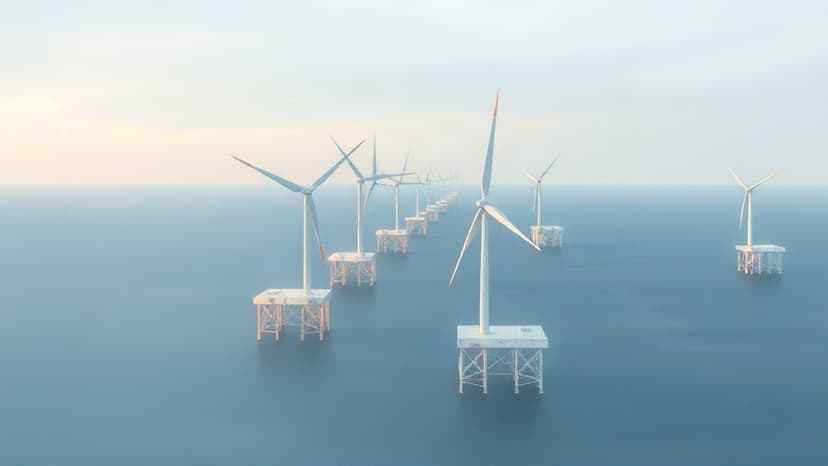
By 2038, targets are set to reduce coal and LNG to 10% each and increase renewables to 33%. Significant investments are being made in offshore wind, advanced solar technologies, and hydrogen production.
Korea is also advancing its nuclear capabilities, focusing on Small Modular Reactors (SMRs) with a $300 million investment. Collaboration with international firms is essential for developing technologies in hydrogen production, storage, and fuel cells, as the country aims for extensive innovations in its net zero transition.



Comments