
Study Identifies Floating Solar Siting Strategies to Protect Birds in Northeastern U.S.
A recent study published in Environmental Science & Technology evaluated over 16,000 potential sites for floating solar installations in the northeastern U.S., aiming to balance energy production with bird conservation. By analyzing energy potential alongside bird abundance data, researchers identified strategies to avoid areas with high bird interaction, thereby protecting vulnerable species like the horned grebe. The study underscores the need for ecologically informed siting practices to support both renewable energy and wildlife.
 Theia Market Signal Identification - AI Assisted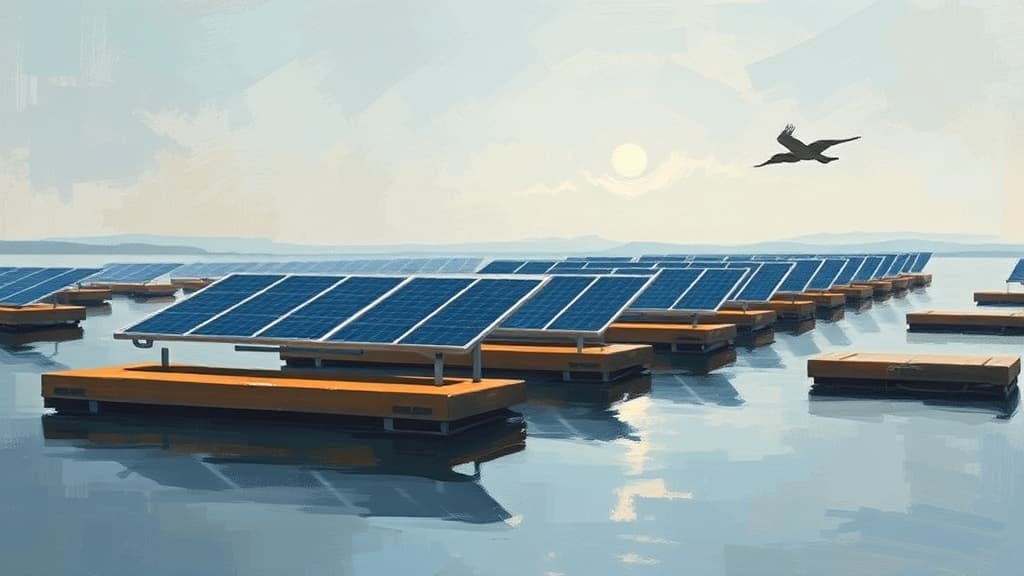
A study published on December 23 in Environmental Science & Technology assessed over 16,000 suitable locations for floating solar installations in the northeastern U.S. Researchers combined energy potential data with bird abundance data to identify areas with high energy potential and low bird interaction.
The study highlights potential risks to 291 bird species, including the horned grebe, which is vulnerable due to declining populations. It suggests that avoiding high bird abundance areas can mitigate risks and maintain energy production.
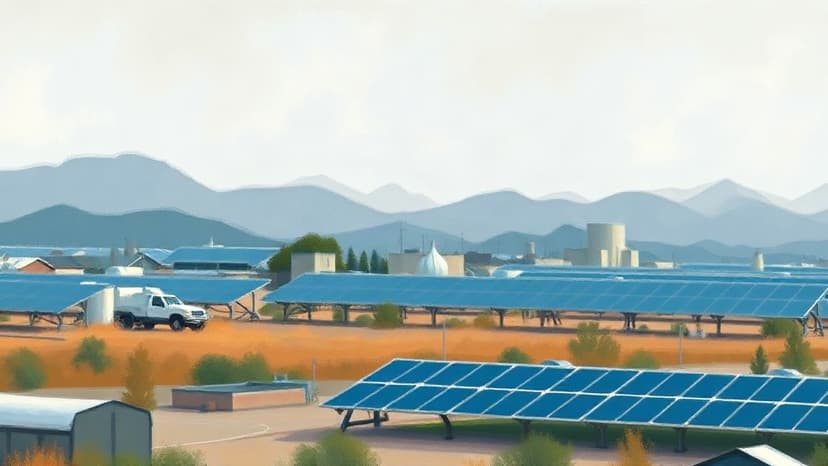
The research emphasizes the importance of ecologically informed siting to support both wildlife and energy needs. Future work will include mapping bird interactions with land-based solar in New York state.


Comments