
Taiwan Shuts Down Maanshan Nuclear Reactor Amid Energy Security and Waste Management Concerns
Taiwan has shut down the last reactor at the Maanshan Nuclear Plant due to energy security and waste management concerns, following a failed restart attempt after a 20-year extension amendment. The closure raises critical questions about the future of nuclear energy in Taiwan, where over 96% of energy is imported, and highlights the ongoing debate over the economic viability of nuclear power versus the significant costs of decommissioning and waste management. The government aims to establish a deep geologic repository by 2055, but site selection remains a challenging issue.
 Theia Market Signal Identification - AI Assisted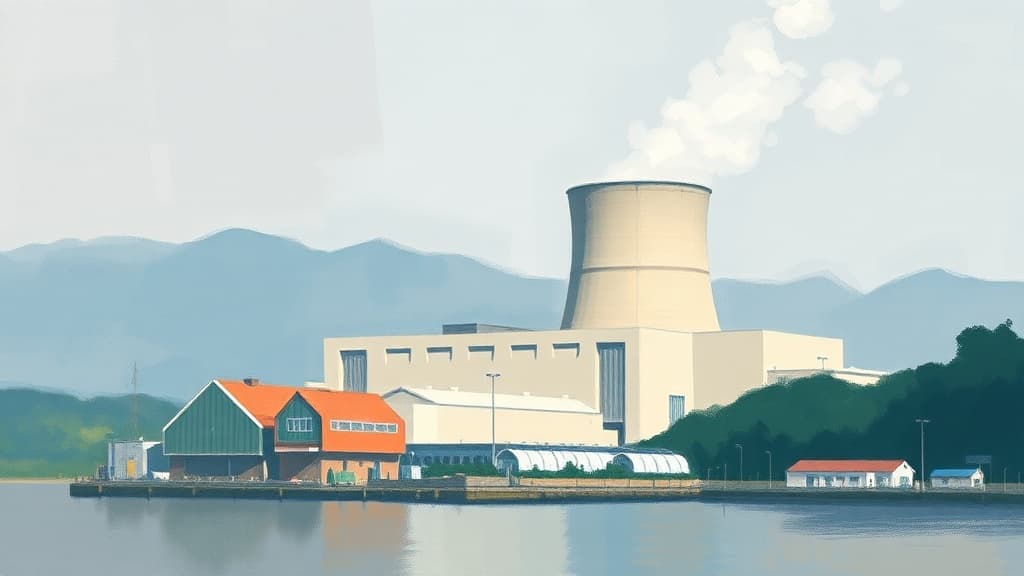
On May 17, 2025, Taiwan shut down the last reactor at the Maanshan Nuclear Plant following an amendment allowing 20-year extensions, which was followed by a failed restart attempt. The situation raises questions about nuclear energy's role in Taiwan's energy security amid concerns about aging infrastructure, seismic risks, and nuclear waste management.
Taiwan's economy relies on stable energy sources, with over 96% of energy imported, while nuclear fuel provides a strategic buffer. Supporters argue nuclear energy is economically viable, citing a cost of NT$1.87 per kWh compared to NT$5.60 for renewables.
Critics highlight the significant costs associated with decommissioning and waste management, alongside the lack of a final repository for high-level waste. The government aims for a deep geologic repository by 2055, though site selection faces substantial challenges. The debate underscores the complexities of balancing energy needs with safety and waste concerns.


Comments