
UK STEP Program Tests New Modular Magnet Technology for Fusion Power Development
Engineers at the UK's STEP program have successfully tested a new 'plug-and-socket' magnet technology aimed at advancing fusion energy development by reducing costs and simplifying maintenance. This innovative approach, featuring remountable joints and a bladder-based clamping system, enhances the accessibility of powerful magnets for inspections and repairs, with plans for further testing in fusion reactor conditions. Led by the UK Atomic Energy Authority, STEP aims to deliver grid electricity by the 2040s.
 Theia Market Signal Identification - AI Assisted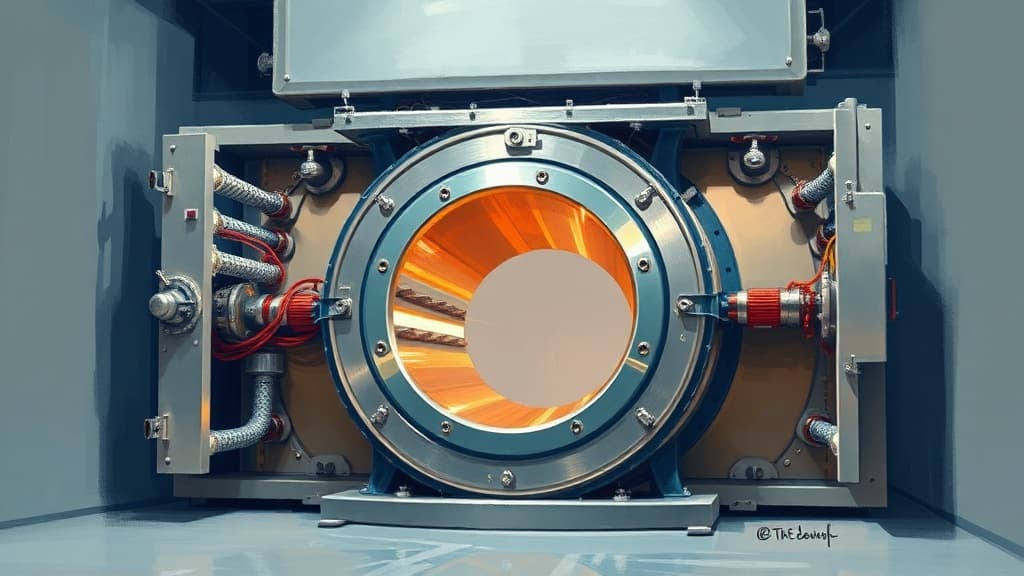
Engineers at the UK's STEP program have tested a new 'plug-and-socket' magnet technology designed to enhance fusion energy development by reducing costs and simplifying maintenance. The technology, incorporating remountable joints and a bladder-based clamping system, addresses the challenge of maintaining powerful magnets over decades.
STEP aims to deliver grid electricity by the 2040s and is led by the UK Atomic Energy Authority and UK Industrial Fusion Solutions at West Burton, Nottinghamshire. The new approach allows magnets to be disassembled and reassembled, improving accessibility for inspections and repairs.
The successful tests confirmed that remountable joints can withstand extreme magnetic forces. The project has progressed rapidly, moving from concept to testing in under a year, thanks to collaboration among various partners. Further testing is planned to evaluate joint performance in fusion reactor conditions, advancing toward the goal of sustainable fusion electricity.


Comments