
Nordic Model of Energy Resilience Offers Lessons for Europe's Renewable Transition
The Nordic countries have demonstrated a successful model for integrating renewable energy while maintaining grid stability, utilizing a diverse mix of hydropower, nuclear, and bioenergy. To replicate this approach, Europe must enhance storage solutions, flexible demand, and cross-border electricity interconnections, while fostering public trust and cooperation among Member States. Initiatives like TEN-E and REPowerEU are crucial for promoting a coordinated and resilient European energy network.
 Theia Market Signal Identification - AI Assisted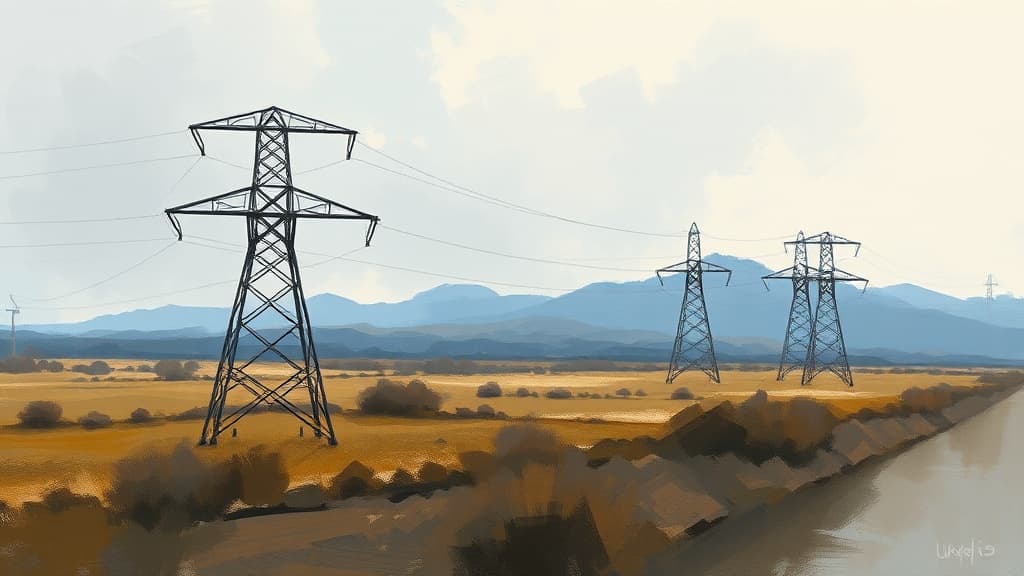
Nordic countries—Sweden, Norway, Finland, and Denmark—have successfully integrated significant renewable energy shares while maintaining grid stability, showcasing a reliable and decarbonized power system. This system leverages a diverse energy mix, including hydropower, nuclear, and bioenergy, alongside contributions from batteries and demand response.
Cross-border electricity links facilitate resource sharing and price stabilization. To emulate the Nordic model, Europe must adapt strategies for balancing renewables, focusing on storage, flexible demand, and enhanced interconnections.
The EU is encouraged to strengthen physical and operational cooperation through initiatives like TEN-E and REPowerEU, ensuring renewable energy flows across borders. Market integration and alignment of grid codes across Member States are essential for creating a coordinated European network. Public trust is vital for progress, emphasizing local benefits from cross-border energy projects.

Comments